Boat Docks and Waterfront Posts
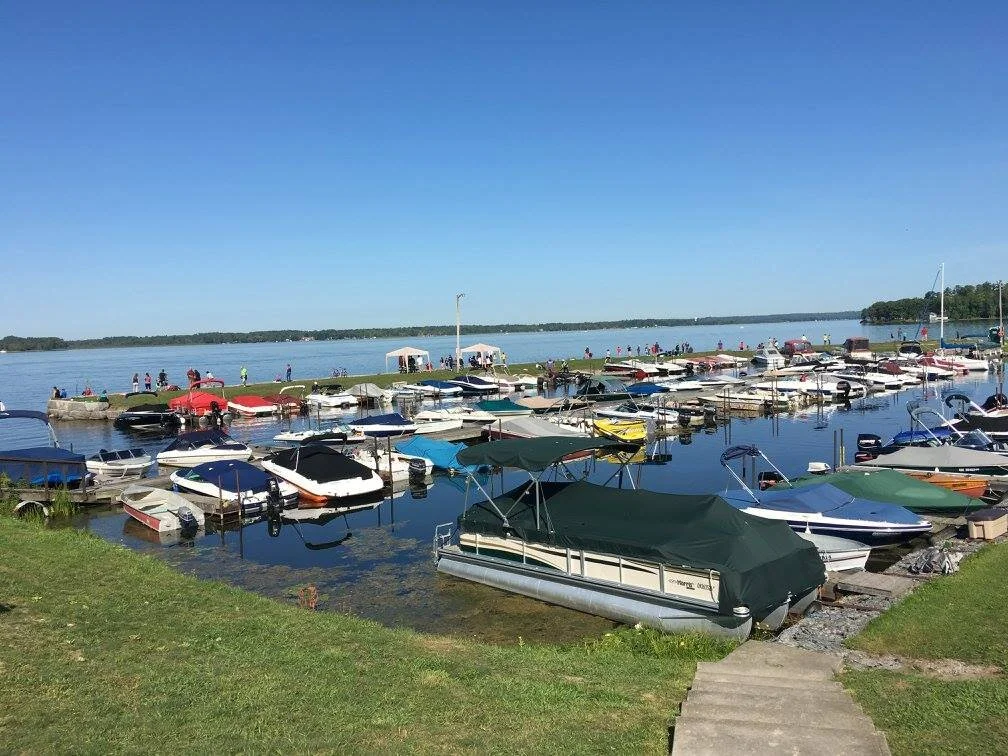
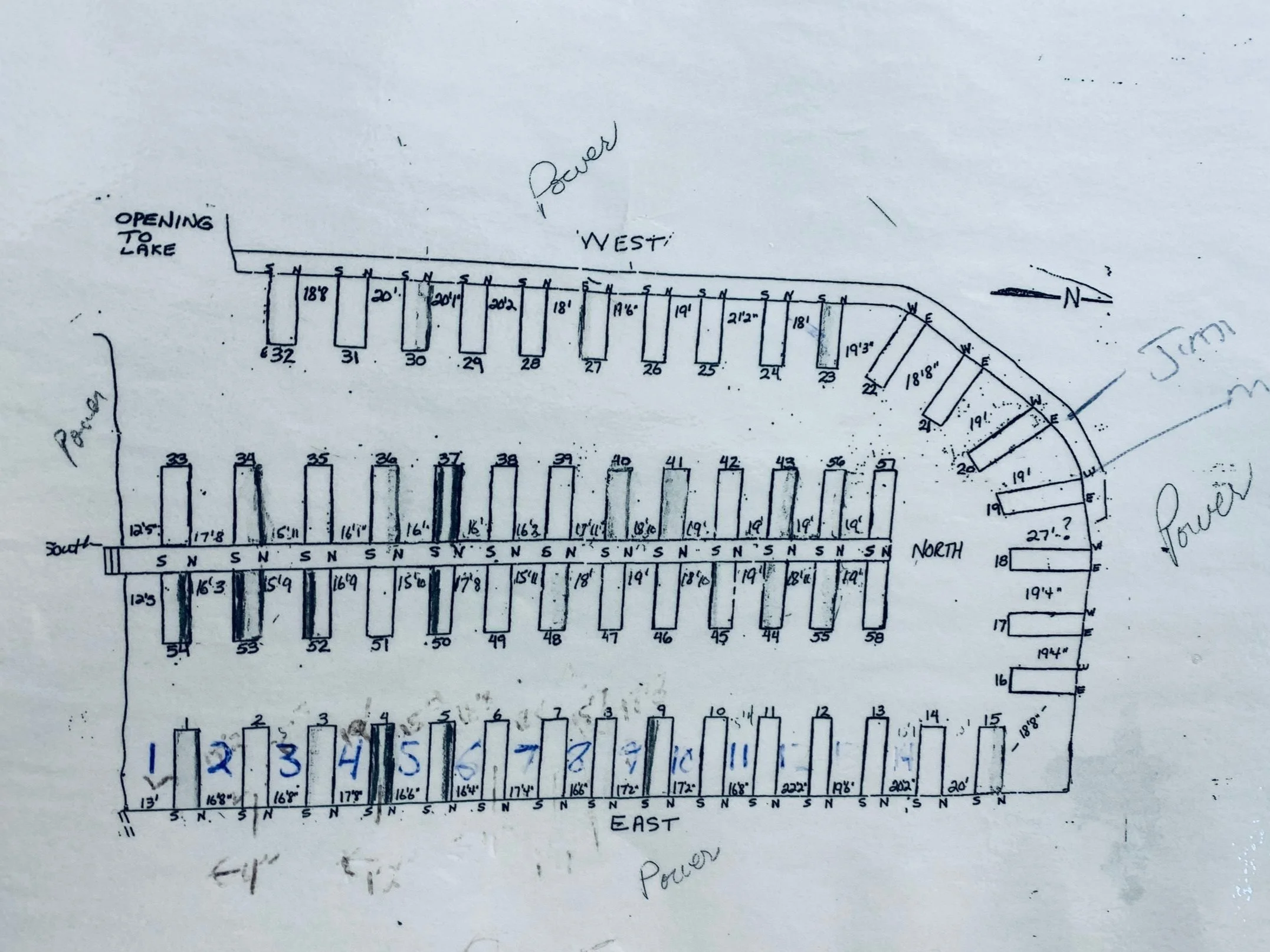
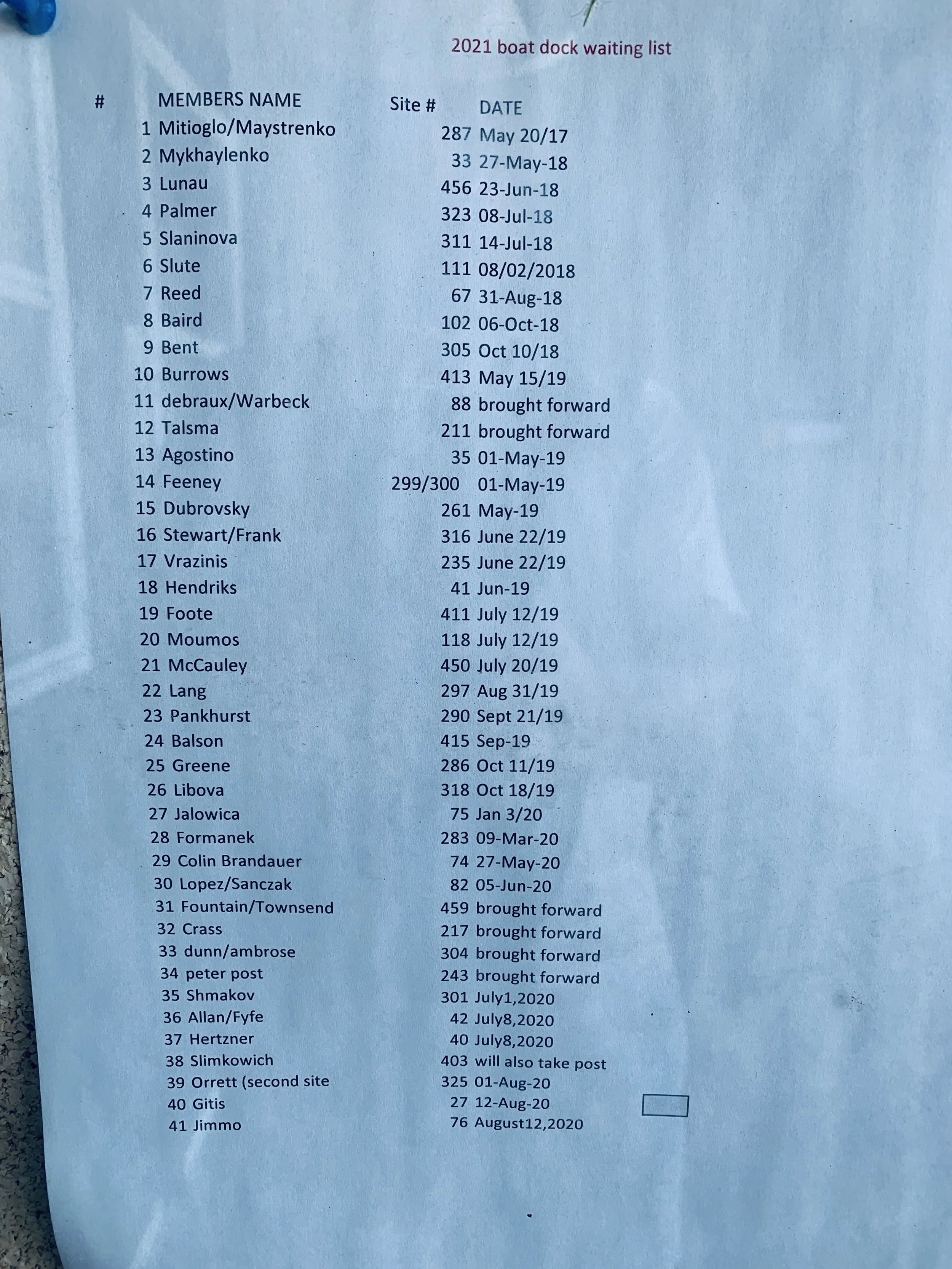
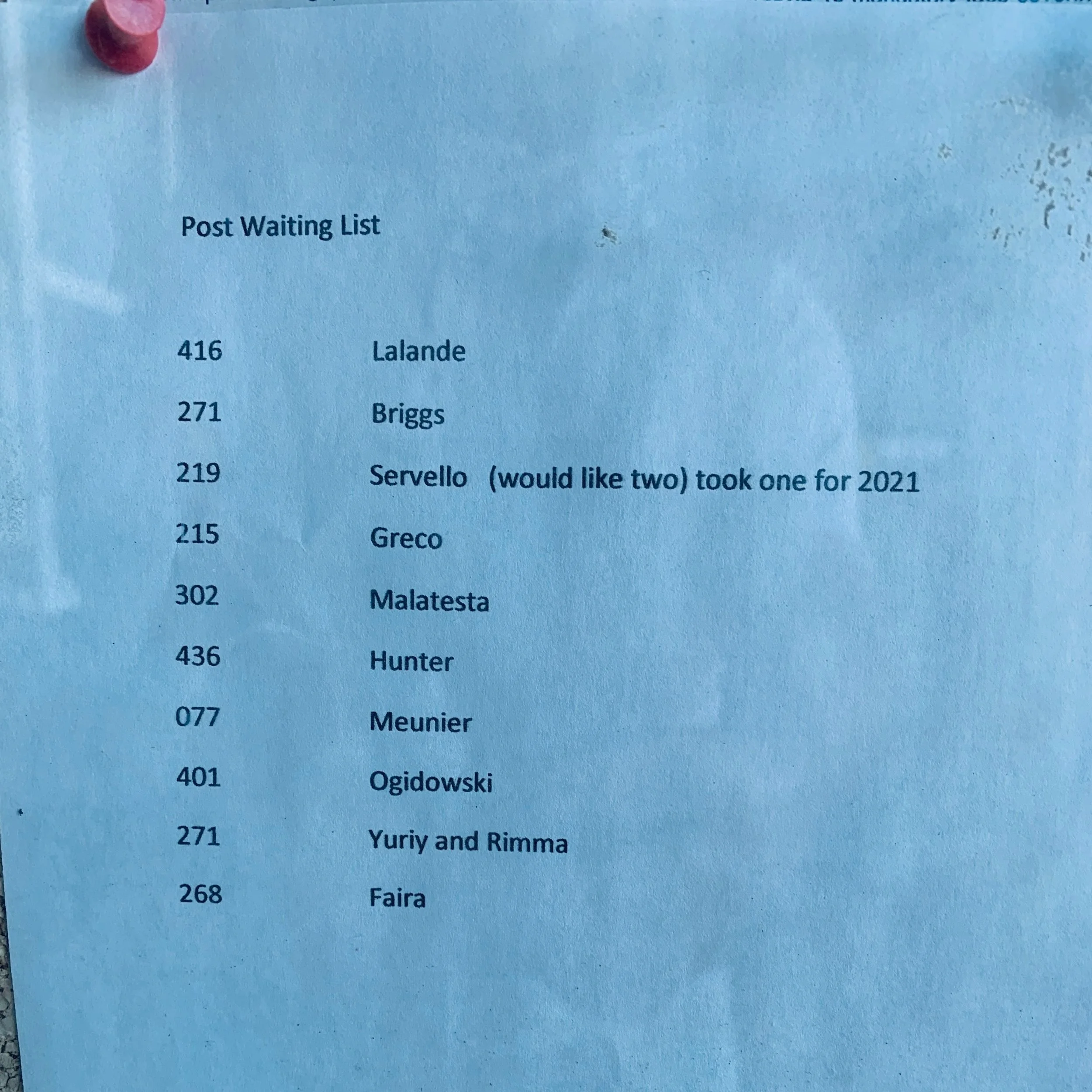
You don’t really think much about a boat dock or a waterfront post until the day you need one. At that point, you can’t get one soon enough. With 314 sites in the park, only 116 boat docks, plus a growing popularity in boating, and a fixed area for boat slips and waterfront posts, this has become a big issue for some. The queue for docks and posts, and the rules around these are maintained within the Office.
See the Fees and Services for the dock and post prices, and we have kept these low to only cover necessary maintenance. That has resulted in some people holding on to them because they also don’t cost that much, even if you don’t use one. To address this, Park management will inspect that the dock or post is being used, though some grace is applied when expecting a boat to arrive, and some latitude is granted for sub-letting. However, you cannot hold a post or dock for longer than two years by sub-letting it out to someone else. Also, the posts and docks are for members, not your neighbour back home to park their boat here as a wonderful low cost honey harbour. In this fashion, we hope to reclaim unused docks and posts for members that want them and will actively use them.
Today’s modern boats are often wider and longer than a boat a previous dock slip holder may have had. Boats need to be measured by Park measurement and deemed to fit any given proposed slip. No boats are permitted within the basin that exceed 22 feet long, and the width permissible for any craft is six inches less than half the distance between two docks, meant to ensure any two slips have at least a foot of clearance between them. These size rules are being examined.
The docks are permitted to have footlocker boxes, meant to stow away boat covers and such when out on the lake. The waterfront posts are for watercraft only, and are not the replacement storage location for lawn chairs and picnic tables instead of your own lot shed. Our waterfront has sadly deteriorated into a junk pile in spots, and steps are being taken to clean this up.
Some of the waterfront rail systems holding jetskis are also inadequate in storms, and are downright dangerous to anyone coming in or out of the water at those spots. We are looking at some re-arrangement of spots to give some safe entrance spaces for kayaks, canoes and paddle boards, where they do not have to navigate around sharp-edged metal rail systems and metal spikes.